



Personal loans are one of the most common financial products available to consumers. People use them for many different purposes, including consolidating debt, paying unexpected expenses, financing home improvements, covering major purchases, or managing other personal financial needs. However, before applying for a personal loan, it is important to understand exactly what it is, how it works, how repayment is structured, and what factors can affect the total cost.
This guide explains the basics of personal loans in simple language. Whether you are considering borrowing money for the first time or simply want to understand how personal lending works, knowing the key terms and responsibilities can help you make a more informed financial decision.
What Is a Personal Loan?
A personal loan is a type of loan in which a borrower receives a specific amount of money from a bank, credit union, online lender, or another financial institution. In exchange, the borrower agrees to repay the borrowed amount over a predetermined period, usually through regular monthly payments.
The amount borrowed is called the principal. In addition to repaying the principal, the borrower usually pays interest and, depending on the lender, may also have to pay certain fees.
Unlike a mortgage or auto loan, a personal loan can often be used for a variety of purposes. Some lenders may place restrictions on how the funds can be used, so borrowers should always review the loan agreement before applying.
For example, a borrower might receive a personal loan of $10,000 and agree to repay it over five years. The borrower would generally make fixed monthly payments that include both principal and interest until the loan is fully repaid.
How Does a Personal Loan Work?
The personal loan process generally follows several basic steps.
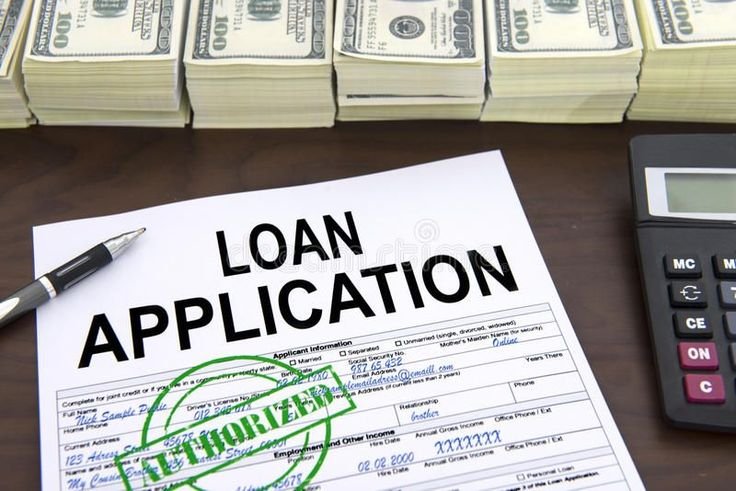
First, a borrower submits an application to a lender. The lender reviews information such as the applicant’s income, employment, existing debts, credit history, and ability to repay the loan.
If the application is approved, the lender provides a loan offer. The offer typically includes important details such as:
- The amount being borrowed
- The interest rate
- The repayment period
- The estimated monthly payment
- Any applicable fees
- The total cost of borrowing
Once the borrower accepts the loan terms and completes the required agreement, the funds may be deposited into the borrower’s bank account or sent directly to another party, depending on the purpose of the loan.
The borrower then begins making scheduled payments according to the repayment terms.
Secured and Unsecured Personal Loans
Personal loans generally fall into two main categories: secured and unsecured loans.
An unsecured personal loan does not require the borrower to provide a specific asset as collateral. Approval is often based primarily on the borrower’s credit profile, income, debt obligations, and other financial factors.
Because the lender is taking on more risk without specific collateral, interest rates and qualification requirements may vary depending on the borrower’s financial situation.
A secured personal loan, on the other hand, is backed by collateral. Collateral may include an asset that the borrower agrees to use as security for the loan, depending on the lender and loan type.
Because collateral may reduce the lender’s risk, secured loans can sometimes have different qualification requirements or pricing. However, borrowers should carefully understand the risks associated with using assets as collateral.
The Importance of Interest Rates
Interest is one of the most important factors to consider when taking out a personal loan. The interest rate helps determine how much the loan will cost in addition to the amount originally borrowed.
Interest rates can vary significantly from one borrower to another. Factors that may influence the rate include:
- Credit history
- Credit score
- Income
- Existing debt
- Loan amount
- Loan repayment term
- Type of lender
- Overall economic conditions
Borrowers with stronger credit profiles may qualify for more favorable rates, while borrowers with weaker credit histories may receive higher rates or have fewer borrowing options.
It is important not to focus only on the monthly payment. A lower monthly payment may sometimes result from choosing a longer repayment period, which could increase the total amount of interest paid over the life of the loan.
What Is an APR?
When comparing personal loans, borrowers often see the term APR, which stands for Annual Percentage Rate.
APR is designed to provide a broader view of the annual cost of borrowing. Depending on the loan, it may reflect the interest rate as well as certain applicable fees.
Comparing APRs can help borrowers evaluate different loan offers more accurately. However, borrowers should also carefully review the complete loan terms, including repayment length, monthly payment, origination fees, late fees, and any other costs.
The lowest advertised rate may not always be available to every applicant. Actual rates are usually based on an individual’s financial profile and the lender’s approval process.
How Are Personal Loan Payments Calculated?
Most personal loans are installment loans. This means that the borrower repays the loan through scheduled payments over a specific period.
A monthly payment may include two main components:
- Principal – The amount borrowed that still needs to be repaid.
- Interest – The cost charged by the lender for borrowing the money.
During the repayment process, the balance of the loan gradually decreases as payments are made.
The exact monthly payment depends on several factors, including the loan amount, interest rate, and repayment period.
For example, borrowing a larger amount generally leads to higher payments if all other factors remain the same. Similarly, a higher interest rate can increase the cost of the loan.
A longer repayment term may reduce the size of each monthly payment, but the borrower could potentially pay more interest overall because the debt remains outstanding for a longer period.
Common Uses for Personal Loans
One reason personal loans are popular is their flexibility. Depending on the lender’s policies, borrowers may use personal loans for a variety of legitimate financial purposes.
Debt Consolidation
Debt consolidation is one of the most common uses of a personal loan. A borrower may use the funds to pay off multiple existing debts and combine them into one loan.
Instead of managing several payment dates and balances, the borrower may have one monthly loan payment.
However, consolidation does not automatically reduce the amount owed. The borrower should compare the interest rate, fees, repayment period, and total cost before deciding whether consolidation is beneficial.
Home Improvements
Some homeowners use personal loans to finance renovations, repairs, or improvements.
A personal loan may provide funds without requiring the same type of borrowing process associated with certain property-secured loans. However, borrowers should compare available financing options based on their individual circumstances.
Major Purchases
Personal loans may also be used for significant purchases or planned expenses. Before borrowing, it is important to consider whether the purchase is necessary and whether the monthly payment fits comfortably within the household budget.
Unexpected Expenses
Unexpected expenses can create financial pressure. Some people consider personal loans when facing urgent but necessary costs.
Borrowing should still be approached carefully. Before accepting a loan, borrowers should review the repayment requirements and ensure they have a realistic plan for making payments.
How Long Do You Have to Repay a Personal Loan?
Personal loan repayment terms vary by lender. Some loans may be repaid over a relatively short period, while others may offer several years for repayment.
Choosing the right term is an important decision.
A shorter repayment term may result in higher monthly payments but could reduce the total amount of interest paid.
A longer repayment term may make the monthly payment more manageable, but it can increase the total borrowing cost.
The best option depends on the borrower’s income, expenses, financial goals, and ability to make consistent payments.
Borrowers should avoid selecting a loan term based only on the lowest monthly payment. Looking at the total repayment amount can provide a clearer picture of the actual cost.
What Do Lenders Look at Before Approving a Personal Loan?
Every lender has its own requirements, but several factors are commonly considered during the application process.
Credit History
A lender may review the applicant’s history of borrowing and repayment. A strong history of making payments on time may improve the chances of qualifying for favorable terms.
Income
Lenders generally want to see that borrowers have a reliable source of income and the ability to repay the loan.
Existing Debt
A borrower who already has significant debt may have a more difficult time qualifying for additional borrowing.
Debt-to-Income Ratio
Many lenders consider the relationship between a person’s monthly debt obligations and income. This can help them evaluate whether taking on another monthly payment is financially manageable.
Employment and Financial Stability
Depending on the lender, employment history and overall financial stability may also be considered.
Personal Loan Fees to Watch For
Interest is not always the only cost associated with a personal loan. Some lenders may charge additional fees.
Common fees may include:
- Origination fees
- Late payment fees
- Returned payment fees
- Other administrative charges
Not every lender charges the same fees. This is why reading the full loan agreement is important before accepting an offer.
Borrowers should understand exactly how much money they will receive, how much they must repay, and what happens if a payment is late.
Can You Pay Off a Personal Loan Early?
Some personal loans allow borrowers to make additional payments or pay off the entire loan before the scheduled end date.
Paying a loan off early may reduce future interest costs, depending on how the loan is structured.
However, borrowers should check whether the lender charges a prepayment penalty or has specific rules regarding early repayment.
Before making extra payments, it can be helpful to contact the lender or review the loan agreement to understand how additional payments are applied.
Advantages of Personal Loans
Personal loans can offer several potential benefits.
Predictable Payments
Many personal loans have fixed interest rates and fixed monthly payments. This can make budgeting easier because the borrower knows approximately how much is due each month.
Flexible Use
Depending on the lender, personal loans can be used for various expenses.
Potentially Lower Rates Than Some Other Forms of Borrowing
Depending on the borrower’s credit profile and available offers, a personal loan may provide a lower borrowing cost than certain high-interest forms of debt.
No Collateral Required for Many Loans
Unsecured personal loans do not typically require the borrower to pledge a specific asset as collateral.
Potential Disadvantages of Personal Loans
Personal loans are not always the right solution for every financial situation.
Interest and Fees
Borrowing money costs money. Interest and fees can increase the total amount that must be repaid.
Monthly Financial Obligation
Once a loan is accepted, the borrower is responsible for making payments according to the agreement.
Possible Credit Impact
Missing payments or failing to manage the loan responsibly can negatively affect a person’s credit history.
Risk of Additional Debt
Taking out a loan to solve a financial problem may not help if the underlying spending or budgeting issues continue.
For example, using a personal loan to pay off credit card balances may provide temporary relief, but accumulating new balances afterward could result in even more debt.
How to Decide Whether a Personal Loan Is Right for You
Before applying for a personal loan, consider several important questions.
First, ask yourself why you need the money. Is the expense necessary, or can it be delayed while you save?
Second, calculate whether the monthly payment fits comfortably into your budget.
Third, compare multiple loan offers when possible. Look beyond the advertised interest rate and consider APR, fees, repayment terms, and total repayment cost.
You should also review your current debts and financial responsibilities. Taking on a new loan may not be a good decision if the payment would make your budget difficult to manage.
Creating a simple monthly budget before borrowing can help you understand how much you can realistically afford.
Tips for Borrowing Responsibly
If you decide that a personal loan is appropriate, consider the following responsible borrowing practices:
- Borrow only what you reasonably need.
- Compare multiple lenders and loan offers.
- Review the APR and all applicable fees.
- Understand the monthly payment before accepting the loan.
- Choose a repayment term that fits your budget.
- Make payments on time.
- Avoid borrowing additional money unnecessarily.
- Keep records of your loan agreement and payment schedule.
Responsible borrowing begins with understanding the full cost and commitment involved.
Frequently Asked Questions
Is a Personal Loan the Same as a Credit Card?
No. A personal loan usually provides a lump sum that is repaid through scheduled installments. A credit card is generally a revolving form of credit that allows the cardholder to borrow up to an approved limit.
Can You Use a Personal Loan for Any Purpose?
Many personal loans can be used for a wide range of purposes, but lenders may have restrictions. Always review the lender’s policies and loan agreement.
Does Applying for a Personal Loan Affect Your Credit?
A loan application may involve a credit review. The exact impact can depend on the lender and the type of credit inquiry used during the application process.
What Happens if You Miss a Payment?
Missing a payment may result in fees, additional interest, collection activity, or negative effects on your credit history, depending on the loan terms and applicable policies.
Final Thoughts
A personal loan can be a useful financial tool when used carefully and responsibly. It provides access to a specific amount of money that can be repaid over time through regular payments. However, every loan comes with costs and obligations.
Before borrowing, take time to understand the interest rate, APR, fees, repayment term, and total amount you may repay. Compare different options and consider whether the monthly payment fits your financial situation.
The best personal loan is not simply the one that offers the fastest approval or the largest amount of money. A responsible borrowing decision should be based on your actual needs, ability to repay, and the overall cost of the loan.
By understanding how personal loans work and carefully reviewing the available options, borrowers can make more informed financial decisions and avoid taking on unnecessary debt.